
- Home
- »
- Medical Devices
- »
-
Contrast Media Market Size And Share Report, 2026-2040GVR Report cover

Contrast Media Market (2026 - 2040)
Size, Share & Trends Analysis Report By Modality (Ultrasound, Magnetic Resonance Imaging), By Product, By Application, By Route Of Administration, By End-use, By Region, And Segment Forecasts
Market Size, 2025
$7.3BMarket Estimate, 2026
$7.7BMarket Forecast, 2040
$16.1BCAGR, 2026–2040
5.4%Contrast Media Market Summary
The global contrast media market size was valued at USD 7.3 billion in 2025 and is projected to grow from USD 7.7 billion in 2026 to USD 16.1 billion by 2040, at a CAGR of 5.4% from 2026 to 2040. North America dominated the market, accounting for the revenue share of 42.3% in 2025. The demand for contrast media is rising owing to the increasing demand for medical imaging and the growing burden of chronic disorders. A high volume of imaging procedures, such as ultrasound and MRI scans, is anticipated to support the market growth.
 Source: Grand View Research, IR Documents, Primary Interviews, Paid DatabasesTo learn more about this report,
 Download Free Sample Report
Key Market Trends & Insights
- By modality: X-ray/computed tomography (CT) segment held the largest revenue share of 69.2% in 2025.
- By product: Iodinated segment led the market with the largest revenue share of 64.3% in 2025.
- By application: Neurological disorder segment dominated the market with the largest revenue share of 28.3% in 2025.
- By route of administration: Intravenous segment held the largest revenue share of 48.1% in 2025.
- By end use: Hospitals segment held the largest revenue share of 57.5% in 2025.
Regional Highlights
- Largest regional market: North America (42.3% revenue share, 2025)
- Fastest-growing regional market: Asia Pacific (highest CAGR, 2026-2040)
- By country: The U.S. dominated North America with the largest revenue share in 2025
Market Size & Forecast
- Market size in 2025: USD 7.3 Billion
- Estimated market size in 2026: USD 7.7 Billion
- Projected market size by 2040: USD 16.1 Billion
- CAGR (2026-2040): 5.4%
Three ways to get this report
Buy it, customize it, or ask a question.Ask an Analyst
Analyst response in 1 business day
- AccessReport author, directly
- Reply timeWithin 1 working day
- No sales callDirect answer only
- FormatEmail reply
- CostFree, no cost
Get the Full Report
What the study covers
- FormatsPDF · Excel · Dashboard
- Timeline2026–2040 annual, 2025 base
- Coverage20+ countries, 5 regions
- Companies10+ key players profiled
Customize the Report
20% free customization
- IncludeCountries, segments, points
- TailorTo your product definition
- ExtendDeeper competitor detail
- OrA fully bespoke study
- Turnaround5–10 working days
The growing global demand for medical imaging is a key factor driving the expansion of the contrast media industry. Medical imaging plays a crucial role in the early detection, accurate diagnosis, and effective treatment planning of various health conditions. Millions of patients undergo diagnostic procedures such as MRI, CT scans, and X-rays every year. According to a study published by the National Library of Medicine in October 2023, approximately 40 million MRI scans are performed annually in the U.S. alone. The increasing volume of imaging procedures worldwide is expected to significantly boost the demand for contrast media, essential for enhancing the visualization of internal body structures during these examinations.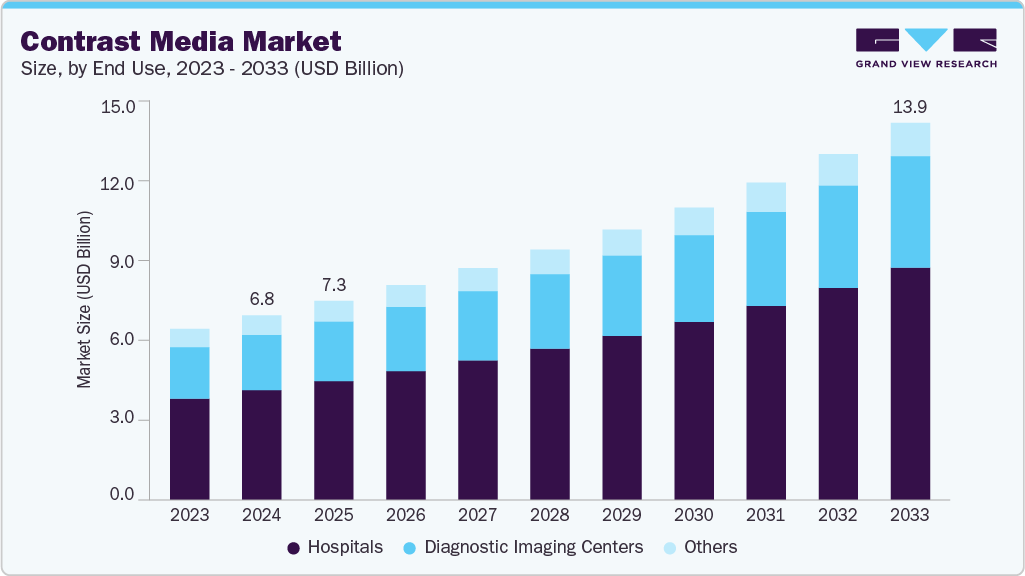 To learn more about this report, Download Free Sample Report
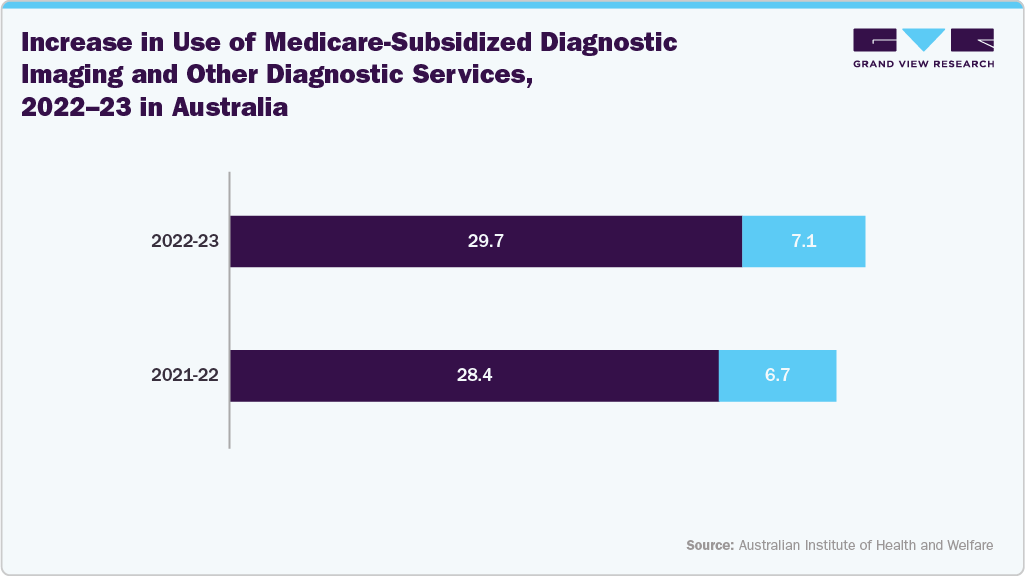
Beyond the U.S., other countries are also experiencing a rising demand for medical imaging procedures. According to data published by the Australian Institute of Health & Welfare (AIHW) in July 2024, a total of 10.2 million Australians accessed Medicare-subsidized diagnostic imaging services in 2022-23, while approximately 4.0 million utilized other diagnostic services. This upward trend is expected to continue in the coming years, further contributing to the growing global demand for contrast media used in diagnostic imaging.
 To learn more about this report, Download Free Sample Report
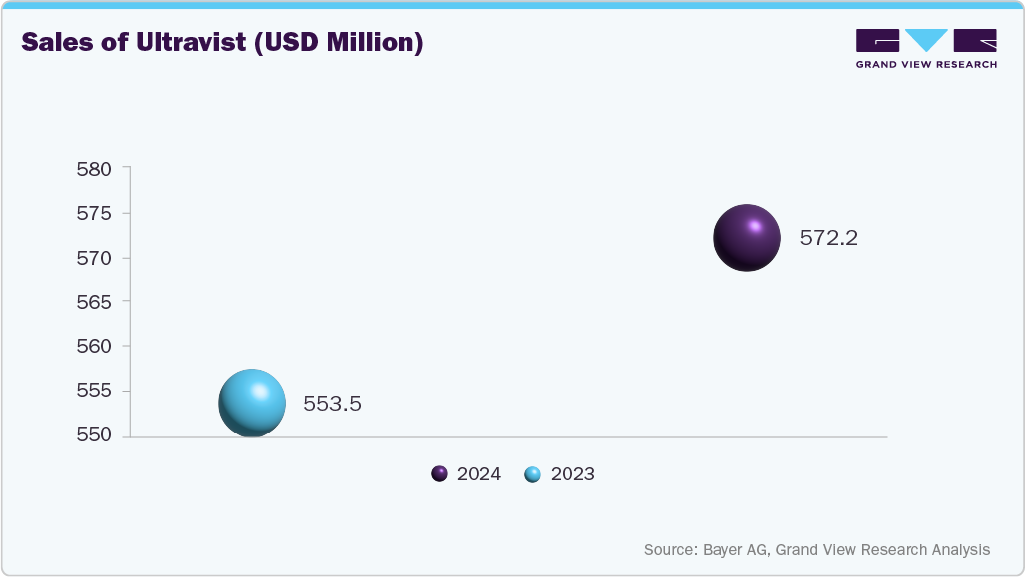
Furthermore, the demand for iodinated contrast media is rising significantly, driven by the increasing number of imaging procedures that require enhanced visualization. Several iodinated contrast agents are experiencing strong revenue growth, reflecting increased clinical adoption. For example, in 2024, Bayer AG reported a notable revenue increase from Ultravist, its iopromide-based X-ray contrast agent used for both intra-arterial and intravenous applications. This surge in product demand underscores the expanding utilization of iodinated contrast media in radiology, positioning them as a critical driver of market growth.
 To learn more about this report, Download Free Sample Report
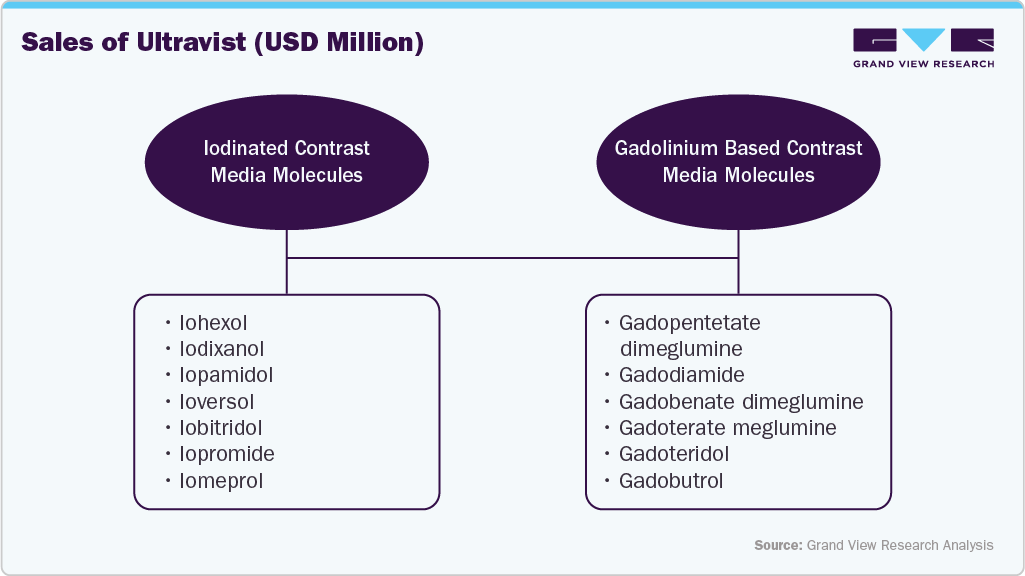
The availability of diverse molecular formulations among gadolinium-based and iodinated contrast agents drives market growth. This variety allows for tailored imaging based on patient needs and clinical requirements, enhancing diagnostic accuracy and safety. For instance, gadolinium agents are widely used in MRI, while iodinated agents are suitable for CT. Continued R&D into advanced contrast media with improved safety and efficacy further supports market expansion across diagnostic applications like oncology, cardiology, and neurology.
 To learn more about this report, Download Free Sample Report
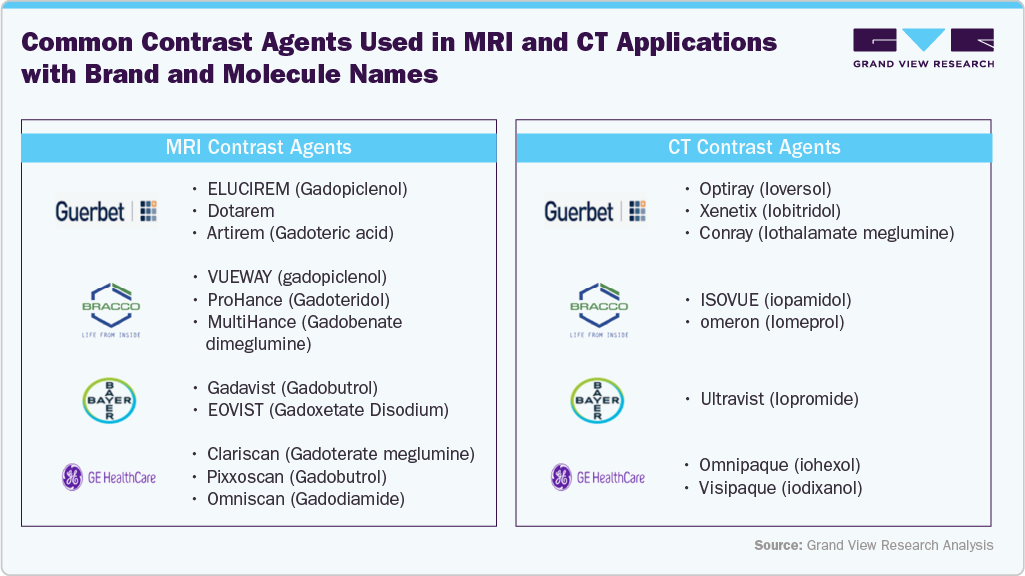
The pictorial representation below highlights commonly used contrast agents for MRI and CT, along with their respective brand names and molecular compositions.
 To learn more about this report, Download Free Sample Report
Key Opinion Leaders
Company Name
KOLs
Growth Opportunities
Dr Paul Evans, head of global R&D at GE Healthcare’s Pharmaceutical Diagnostics business segment
“These are encouraging Phase I results for this manganese-based contrast agent, and we look forward to completing the next steps in the clinical development process. This is part of our pipeline of products aiming to improve patient outcomes across care pathways.”
- Emerging Manganese-Based Contrast Agents
- Focus on Clinical Development
Lindsey Thomas, senior vice president of Pharmaceutical Marketing at Fresenius Kabi USA and the company’s representative on the End Drug Shortage Alliance Board of Directors
“The U.S. availability of Iodixanol Injection, USP is the first offering from our generic radiology portfolio. We are doing everything we can to accelerate product availability to help our customers during this acute contrast media agent shortage, including air shipping product. We are also actively working to bring additional affordable contrast agents to U.S. clinicians to help ensure patient access to essential diagnostic imaging procedures.”
- Expansion of Generic Radiology Portfolio
- Addressing Supply Chain Shortages
- Growing Demand for Affordable Alternatives
Mark Hibberd, Chief Medical Officer, GE Healthcare Pharmaceutical Diagnostics
“This extension to our portfolio means we will be able to offer two leading macrocyclic molecules-Clariscan (gadoteric acid) and Pixxoscan (gadobutrol)-to our customers in a number of European countries, offering radiology departments even more choice to suit their diagnostic needs. We continue to innovate and invest in our contrast media portfolio to deliver for healthcare professionals and patients and to meet future demand.”
- Geographic Market Penetration
- Portfolio Expansion with Macrocyclic Molecules
Source: Grand View Research Analysis
Driver and Restraint Contribution, By Modality
The table below presents the contribution of each driver and restraint for CT and MRI in the U.S., Europe, and China.
Trend
U.S. CT
U.S. MRI
Europe CT
Europe MRI
China CT
China MRI
Regional and modality differentiation
Growing demand for diagnostic imaging
+5.71
+4.09
+7.12
+6.19
+9.57
+9.62
China demonstrates the strongest growth contribution, driven by expanding diagnostic access, increasing imaging utilization and broader adoption of advanced diagnostic procedures. Europe follows, supported by screening and chronic disease monitoring, while U.S. growth is driven by established imaging utilization and repeat examinations.
Workforce constraints
-0.41
-0.52
-0.49
-0.61
-0.29
-0.36
Europe and the U.S. experience greater workforce-related pressures due to radiologist and technologist shortages, while China's expanding imaging infrastructure supports capacity development. MRI is more affected than CT because of longer examination times and specialized imaging protocols.
Rising infrastructure requirements
-0.24
-0.29
-0.36
-0.39
-0.51
-0.54
China faces greater capital investment and facility development requirements as diagnostic imaging capacity expands. Europe experiences infrastructure modernization and compliance-related costs, while the U.S. benefits from a more established installed base. MRI faces relatively greater infrastructure requirements than CT.
Upgrade report license to gain access to the complete analysis
Market Dynamics
The market is experiencing steady growth due to the increasing demand for medical imaging and the rising need for accurate and early disease diagnosis. Contrast agents improve the visualization of organs, blood vessels, and abnormal tissues during CT, MRI, and X-ray procedures, supporting the detection and monitoring of cancer, cardiovascular diseases, and neurological disorders. The market is further driven by advancements in imaging technologies, increasing diagnostic screening, and the growing adoption of image-guided procedures. In addition, the development of integrated contrast delivery systems, automated injectors, and digital imaging workflows is expected to improve procedural efficiency and support market growth during the forecast period.
The increasing demand for medical imaging is driving the growth of the contrast media market, as contrast agents improve the visibility of organs, blood vessels, and abnormal tissues during diagnostic procedures. The rising prevalence of cancer, cardiovascular diseases, neurological disorders, and other chronic conditions is increasing the need for CT, MRI, and X-ray procedures. These examinations frequently require contrast agents to improve image clarity, support the detection of small lesions, and help physicians characterize abnormalities. In addition, the growing use of imaging for early disease detection, treatment planning, and follow-up assessments is increasing the utilization of iodinated, gadolinium-based, and other contrast agents across healthcare facilities.
Recalls of contrast media can restrain market growth by disrupting product availability, increasing regulatory scrutiny, and creating additional costs for manufacturers and healthcare providers. Recalls may occur due to manufacturing defects, contamination, particulate matter, packaging issues, or deviations from established quality standards. Such incidents can lead to production interruptions, product shortages, inventory losses, and the need to identify alternative suppliers or formulations. Healthcare facilities also need to revise procurement practices and imaging schedules when affected products become unavailable. Furthermore, repeated quality issues can weaken confidence in specific products and manufacturers, prompting stricter quality-control measures and additional regulatory compliance investments, which increase operational costs across the contrast media market.
The development of interconnected solutions in contrast agents presents an opportunity for market participants to improve the integration of contrast media with medical imaging equipment, injection systems, and digital healthcare platforms. These solutions can connect contrast agent administration with automated injectors, imaging protocols, patient records, and dose-monitoring software to support coordinated imaging workflows. For instance, connected injector systems can help synchronize contrast administration with CT or MRI acquisition, record injection parameters, and support consistent protocol execution. Integration with electronic health records and imaging information systems can also improve documentation, traceability, and workflow efficiency. As healthcare providers adopt automated and data-driven imaging technologies, manufacturers can differentiate their offerings through integrated contrast delivery systems, software-enabled services, and solutions designed to improve operational efficiency and patient safety.
Market Concentration and Characteristics
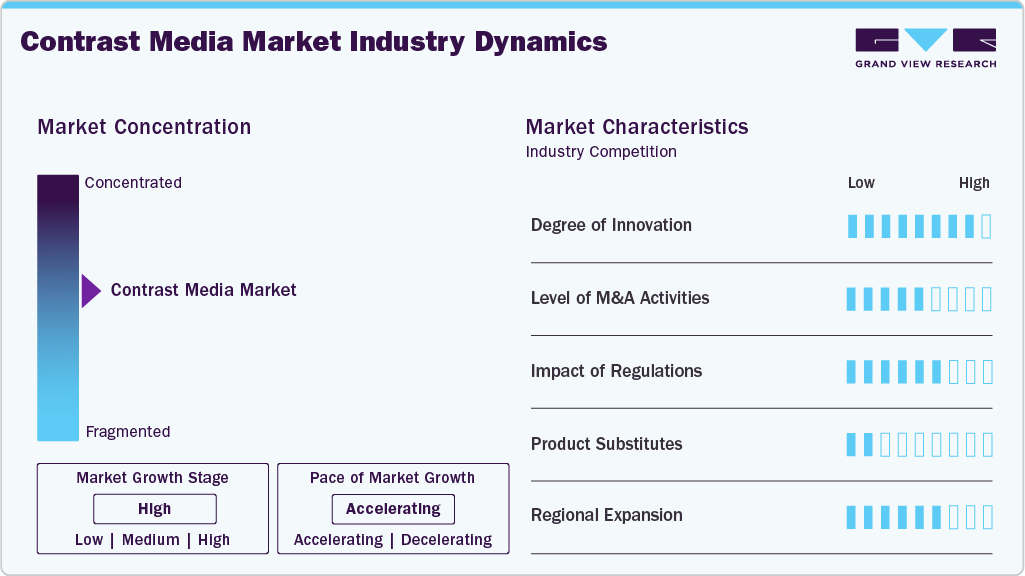
The market growth stage is high, and the pace of growth is accelerating. The market is characterized by high growth owing to the rising demand for medical imaging, growing launches of novel products, and increasing production capacities for contrast media.
Industry players and researchers are increasingly emphasizing the development of advanced contrast media, with several innovative products currently undergoing clinical trials. For example, in October 2024, GE Healthcare announced encouraging Phase I results for its manganese-based macrocyclic MRI contrast agent. The first-in-human trial demonstrated that the agent was well tolerated, with no severe adverse events, dose-limiting toxicities, or clinically significant findings reported. These positive clinical outcomes are expected to stimulate further innovation and market growth.
 To learn more about this report, Download Free Sample Report
“GE Healthcare’s manganese-based contrast agent could offer benefits such as reduced risk of tissue deposition and improved safety for certain vulnerable patient populations compared to gadolinium-based agents, while also providing comparable imaging capabilities and potentially lower environmental impact.” - Said Robert McDonald, radiologist at Mayo Clinic and contrast media safety committee board member for the American College of Radiology.
Regulation of contrast media involves strict oversight to ensure the safety and effectiveness of substances used to enhance medical imaging. Classified as drugs, contrast agents are regulated by authorities such as the U.S. Food and Drug Administration (FDA) and Health Canada, among others. These regulations apply across various imaging modalities, including X-ray, CT, MRI, and ultrasound. In addition, all injectable contrast agents, such as intravenous (IV) formulations, are considered prescription-only medicines (POMs) and are subject to the same regulatory restrictions and controls as other POMs.
Mergers and acquisitions are a key strategic approach in the contrast media industry. They allow companies to broaden their product portfolios, drive innovation, and enhance their market position. Notable players adopting this strategy include Lantheus Holdings, Inc. and Bracco, among others.
Contrast media companies are increasingly focusing on regional expansion to enhance market access and meet the growing demand for contrast agents. A key part of this strategy involves securing marketing authorizations from various regulatory bodies. For example, in September 2022, Guerbet received U.S. FDA approval for Elucirem (gadopiclenol), a gadolinium-based macrocyclic contrast agent (GBCA), for use in contrast-enhanced magnetic resonance imaging (MRI).
Analyst Perspective
The contrast media market is expected to benefit from rising demand for contrast-enhanced diagnostic imaging, expanding access to CT and MRI examinations, and the need for improved visualization in cardiovascular, neurological, gastrointestinal, oncological, renal, and musculoskeletal conditions. Market development also reflects advances in contrast formulations, ultrasound contrast applications, and commercially available non-gadolinium MRI agents. Procurement practices, product availability, administered quantities, and selling prices influence revenue alongside examination volumes. From an analyst’s perspective, companies offering clinically supported products, reliable supply, appropriate regulatory coverage, and competitive procurement terms will be positioned to support adoption. Future market development will depend on formulation innovation, clinical evidence, manufacturing capacity, patient-specific safety considerations, and expansion across hospital and outpatient imaging settings.
Modality Type Insights
The x-ray/computed tomography (CT) segment held the largest revenue share of 69.2% in 2025. The high volume of global CT and X-ray examinations primarily drives this dominant position. For instance, data from the NHS in the UK revealed that in January 2023 alone, Plain Radiography (X-ray) procedures totaled approximately 1.65 million, while Computerized Axial Tomography (CT) scans totaled approximately 0.52 million.
CT imaging plays a critical role in accurately diagnosing a broad spectrum of diseases by offering detailed internal visualization. This modality's effectiveness is enhanced through the use of contrast agents-particularly iodinated and barium-based media- which improve image clarity and diagnostic precision. The wide availability of advanced contrast agents such as Optiray, Omnipaque, and Ultravist further supports the growth of this segment.
The ultrasound segment is projected to grow at the fastest CAGR over the forecast period. This growth is primarily driven by rising investment in the development and production of contrast-enhanced ultrasound (CEUS) products. For instance, in November 2024, Bracco revealed plans to triple the production capacity of its innovative ultrasound contrast agent at its Geneva facility.
This significant investment focuses on scaling up the production of CEUS microbubbles, which are integral to enhancing ultrasound imaging quality. The increasing adoption of CEUS in clinical settings-owing to its safety profile, cost-effectiveness, and ability to provide real-time imaging-is expected to further accelerate segment expansion. As healthcare providers continue to recognize CEUS's diagnostic advantages, the ultrasound segment is well-positioned for substantial growth throughout the forecast period.
Product Insights
The iodinated contrast media segment held the largest revenue share of 64.3% in 2025. This dominance can be attributed to the widespread availability and versatility of iodinated contrast agents, including iohexol, iodixanol, iopamidol, and others. These agents are essential for enhancing the visualization of various anatomical structures, such as the gastrointestinal tract, internal organs, arteries and veins, soft tissues, and the brain.
Iodinated contrast media are used across numerous clinical indications, including neurological, nephrological, gastrointestinal, cardiovascular, musculoskeletal disorders, and oncology. Their broad applicability increases their demand in diagnostic imaging. Furthermore, approvals from regulatory authorities for different applications and modalities support this segment's growth.
For instance, in June 2023, Bayer announced that the U.S. FDA had approved its iodine-based contrast agent Ultravist (iopromide) for use in contrast-enhanced mammography (CEM). Regulatory approvals like these are expected to further fuel the growth of the iodinated contrast media segment in the coming years.
The microbubble contrast media segment is anticipated to grow at the fastest CAGR over the forecast period. Microbubble contrast media are minute bubbles of an injectable gas. They are most often administered for ultrasound imaging of the heart. Contrast agents for ultrasound imaging have been developed to visualize microcirculation in tissue. They enhance the echogenicity of blood and improve the visualization and assessment of tissue vascularity, large vessels, and cardiac cavities. Microbubble contrast media can reflect ultrasound waves, causing structures to appear brighter on ultrasound. Contrast agents for ultrasound imaging can be used in various healthcare settings (CT suite, operating room, echo lab, and others) and are the first-line imaging technique for several indications. Microbubble contrast media is a useful option for patients allergic to CT or MRI contrast media or for patients with kidney failure.
Application Insights
The neurological disorder segment dominated the market with the largest revenue share of 28.3% in 2025. This dominance is attributed to the high prevalence of neurological disorders. According to the data published by the American Brain Foundation in July 2024, over 1 in 3 individuals around the world are affected by neurological conditions. Magnetic Resonance Imaging (MRI) plays a critical role in diagnosing central nervous system (CNS) disorders, offering superior imaging of neural structures compared to other modalities. Gadolinium-based contrast agents (GBCAs), such as OMNISCAN (GE Healthcare), Dotarem (Guerbet), and Prohance, are widely used to enhance diagnostic clarity for evaluation of the CNS. The broad clinical utility and availability of these agents are key drivers of segment growth.
The cardiovascular disorders segment is projected to grow at the fastest CAGR over the forecast period. This growth is primarily driven by the rising global burden of cardiovascular diseases and the increasing use of contrast-enhanced imaging techniques for accurate diagnosis and assessment. Among these, contrast-enhanced ultrasound (CEUS) and echocardiography are among the most widely adopted modalities for imaging the cardiovascular system in adult and pediatric patients.
End Use Insights
The hospital segment led the market with the largest revenue share of 57.5% in 2025. This dominance is primarily driven by the high volume of diagnostic imaging procedures performed in hospital settings, including CT scans, MRIs, and ultrasound examinations, which frequently require contrast agents. Hospitals are typically equipped with advanced imaging infrastructure and staffed by specialized radiologists, making them the primary point of care for complex and emergency cases requiring detailed diagnostic imaging. In addition, the growing number of hospital admissions, expansion of radiology departments, and increasing investments in imaging technology further support the segment's dominance.
 To learn more about this report, Download Free Sample Report
The diagnostic imaging centers segment is expected to grow at the fastest CAGR from 2026 to 2040. This growth is driven by the increasing demand for outpatient imaging services, rising healthcare cost-containment efforts, and growing patient preference for quicker, more accessible diagnostic solutions outside hospital settings. Imaging centers often offer shorter wait times, competitive pricing, and specialized services, making them an attractive option for patients and healthcare providers.
Route Of Administration Insights
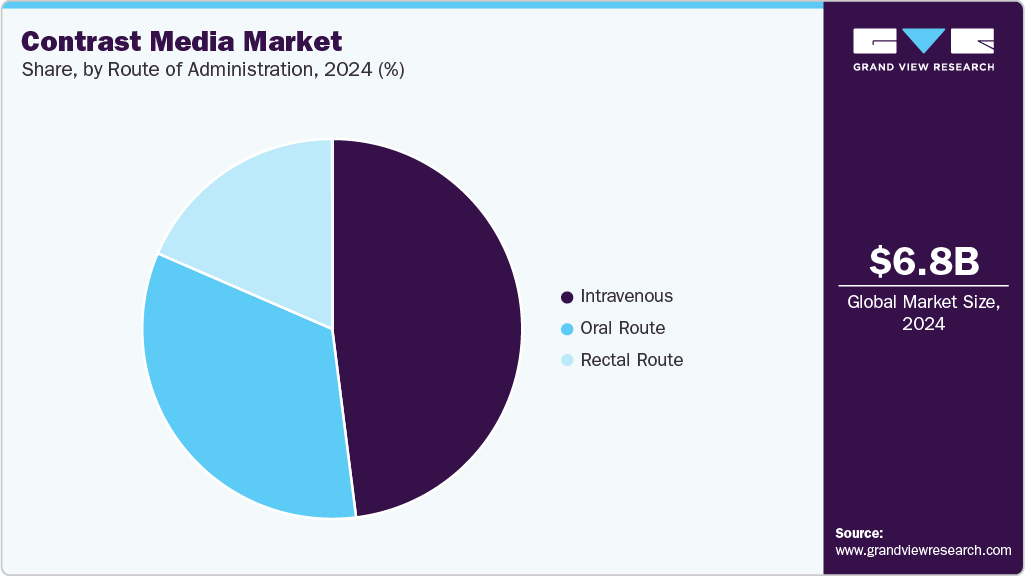
The intravenous segment held the largest revenue share of 48.1% in 2025. This dominance is primarily attributed to the widespread use of intravenous contrast agents during diagnostic imaging procedures, including CT and MRI. Intravenous contrast delivery enables rapid distribution of the agent throughout the bloodstream, enhancing high-precision visualization of blood vessels, organs, and soft tissues. This segment is also anticipated to grow fastest over the forecast period.
Several contrast agents widely used across hospitals and diagnostic centers, such as Ultravist (iopromide) by Bayer, Visipaque (iodixanol) by GE Healthcare, and Iomeron (iomeprol) by Bracco, are administered intravenously. These agents are commonly indicated for various conditions, including cardiovascular, neurological, gastrointestinal, and oncological disorders. The clinical effectiveness, fast action, and broad applicability of intravenous contrast media continue to drive their preference among healthcare professionals, reinforcing the segment's dominance.
The rectal route segment is projected to grow at the fastest CAGR during the forecast period. This growth is driven by the increasing use of rectally administered contrast agents in gastrointestinal imaging procedures, particularly for evaluating conditions such as colorectal disorders and obstructions. Products like Telebrix Gastro and Micropaque from Guerbet are available for such applications. The effectiveness of this route in enhancing GI visualization and the growing burden of GI disorders are expected to support its increasing adoption in diagnostic practices.
Regional Insights
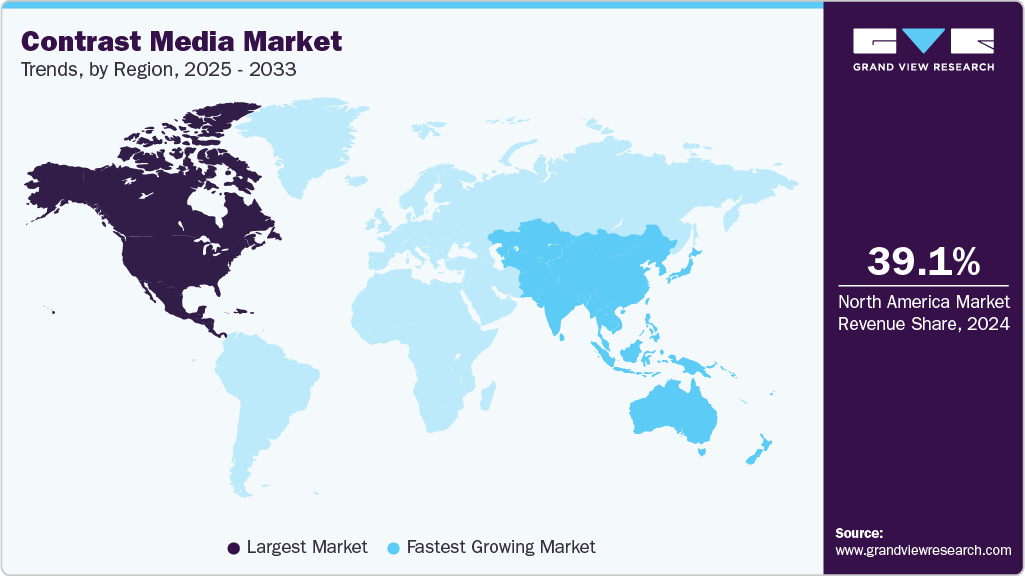
The North America contrast media marketheld the largest revenue share of 42.3% in 2025. This dominance was driven by the presence of major companies such as GE Healthcare, Bracco S.p.A., Bayer, and Guerbet. In addition, growing approvals of contrast agents by the FDA and Health Canada supported the regional expansion. For example, in March 2024, Lantheus Holdings, Inc. announced that the Health Canada has approved the supplemental new drug application (sNDA) for DEFINITY (Perflutren Lipid Microsphere) as an ultrasound enhancing agent specifically for use in pediatric patients with suboptimal echocardiograms.
 To learn more about this report, Download Free Sample Report
U.S. Contrast Media Market Trends
The contrast media market in the U.S. accounted for the largest market revenue share in North America in 2025, supported by rising diagnostic imaging volumes across CT, MRI, and ultrasound procedures, driven by an aging population and increasing prevalence of cardiovascular diseases, cancer, and neurological disorders. Iodinated contrast media continue to dominate CT imaging due to their widespread use in angiography and interventional procedures, while growing emphasis on patient safety is accelerating the adoption of non-ionic contrast media, which offer improved tolerability and reduced adverse reactions. Technological advancements in imaging systems, increasing use of contrast-enhanced ultrasound, and a shift toward outpatient and ambulatory imaging centers are further shaping market trends, while ongoing innovation focuses on enhancing image quality, safety, and targeted diagnostic applications.
Europe Contrast Media Market Trends
The contrast media market in Europe is expected to experience significant growth, driven by a well-developed healthcare system, rising prevalence of chronic diseases, and increasing demand for advanced diagnostic imaging. Growing incidences of cancer, cardiovascular, and neurological disorders have led to greater reliance on contrast-enhanced imaging procedures such as CT, MRI, and ultrasound. According to the World Health Organization (WHO), by 2030, approximately 5.4 million people are expected to be diagnosed with cancer, and around 2.5 million individuals are projected to die from the disease in the WHO European Region.
The UK contrast media market is expected to grow at a substantial CAGR during the forecast period, driven by increasing demand for diagnostic imaging procedures and the rising prevalence of chronic diseases. A key indicator of this trend is the country's high volume of imaging activity. According to NHS data, approximately 43.4 million imaging tests were performed in England between February 2022 and January 2023. These tests include X-rays, CT scans, MRIs, and ultrasounds, which require using contrast agents to enhance diagnostic accuracy.
The contrast media market in France isexpected to grow rapidly over the forecast period, driven by the rising burden of chronic diseases and the growing strategic focus of industry players on the French healthcare sector. Industry players, such as Bracco, are actively conducting innovative pilot programs in France and Germany to recover residues from gadolinium-based and iodinated contrast agents. These sustainability and recycling initiatives strongly emphasize environmental responsibility and resource optimization. Such efforts align with regulatory priorities and offer companies a competitive advantage in the evolving and environmentally conscious French market.
Asia Pacific Contrast Media Market Trends
The contrast media market in the Asia Pacific is expected to grow at the fastest CAGR during the forecast period, driven by a combination of critical factors. Rapidly expanding healthcare infrastructure in emerging economies such as China, India, and Southeast Asia is significantly boosting access to advanced diagnostic imaging technologies. Rising incidence of chronic diseases such as cancer, cardiovascular, and neurological conditions is increasing the demand for accurate and early diagnosis, further fueling the use of contrast agents. According to the International Agency for Research on Cancer (IARC), the number of cancer cases in Australia and New Zealand (ANZ) is projected to rise from 270,155 in 2025 to 298,558 by 2030.
The India contrast media market is anticipated to grow at a lucrative CAGR during the forecast period. This growth is driven by the rising prevalence of chronic diseases, growing demand for advanced diagnostic imaging, and expanding healthcare infrastructure. In addition, increasing awareness about early diagnosis, coupled with government initiatives and private investments in imaging centers, is boosting market growth.
Thecontrast media market in China is driven by a rapidly aging population, increasing prevalence of chronic diseases, and strong government investment in healthcare infrastructure. Rising demand for advanced diagnostic imaging technologies, such as CT and MRI, and expanding access to medical services in urban and rural areas fuel market growth.
Latin America Contrast Media Market Trends
The contrast media market in the Latin America is experiencing steady growth, driven by expanding healthcare infrastructure and rising demand for diagnostic imaging. Countries like Brazil and Argentina are driving the market growth, supported by rising government investment in public health and the adoption of advanced imaging technologies such as CT and MRI. The growing burden of chronic diseases and improved access to healthcare services further boost the use of contrast agents.
Middle East and Africa Contrast Media Market Trends
The contrast media market in the Middle East and Africa is anticipated to grow at a substantial CAGR during the forecast period. This growth is being driven by expanding healthcare infrastructure, particularly in GCC countries and South Africa, alongside increased public and private healthcare spending. The rising prevalence of chronic conditions such as cancer and cardiovascular conditions is boosting demand for advanced diagnostic imaging.
The Saudi Arabia contrast media market is poised for strong growth, driven by public and private healthcare investments and expanding imaging infrastructure. In March 2023, Sajaya Medical Care Services entered a radiology partnership with Bayer International and Scientific and Medical Equipment House, highlighting the region’s emphasis on advanced imaging technologies. Such industry collaborations are expected to support growth in country markets.
Key Contrast Media Company Insights
Bracco S.p.A., Fresenius Kabi USA, LLC, Trivitron Healthcare, Bayer AG, GE Healthcare, Guerbet, iMAX, Lantheus, Beijing Beilu Pharmaceutical Co., Ltd., GRUPO JUSTE, JB Pharma, Jodas Expoim Pvt. Ltd., Livealth, Blue Jet Healthcare, Arco Lifesciences (I) Pvt. Ltd., and Voyageur Pharmaceuticals Ltd. are some major players in the contrast media industry. Companies are expanding their portfolios of contrast media and increasing their production capacities to meet the growing demand. Moreover, industry players are also launching novel agents to gain a competitive advantage.
Key Contrast Media Companies:
The following key companies have been profiled for this study on the global contrast media market.
-
Bracco S.p.A.
-
Fresenius Kabi USA, LLC
-
Trivitron Healthcare
-
Bayer AG
-
GE Healthcare
-
Guerbet
-
Beijing Beilu Pharmaceutical Co., Ltd.
-
iMAX
-
Lantheus Holdings, Inc.
-
GRUPO JUSTE
-
Voyageur Pharmaceuticals Ltd
-
JB Pharma
-
Jodas Expoim Pvt. Ltd.
-
Livealth
-
Blue Jet Healthcare.
-
Arco Lifesciences (I) Pvt. Ltd.
Competitive Benchmarking
Category
Operating Strategies
Competitive Edge
Weakness
Established Players (Fresenius Kabi USA, LLC, Bayer AG, GE Healthcare)
- Focus on expanding contrast-agent portfolios across relevant imaging modalities and clinical applications.
- Strengthen manufacturing capacity, regulatory coverage, distribution networks, and hospital procurement relationships while supporting product utilization through clinical evidence and professional education.
- Established brand recognition, clinically familiar products, regulatory expertise, manufacturing capabilities, and extensive customer relationships.
- Broad geographical coverage and distribution infrastructure support access across hospitals, diagnostic imaging centers, and other healthcare settings.
- High manufacturing, quality-control, and regulatory costs, exposure to raw-material availability, and procurement-related pricing pressure.
- Portfolio concentration in selected products or modalities can increase dependence on examination volumes, purchasing contracts, and product substitution trends.
Emerging Players (Blue Jet Healthcare, Livealth, Arco Lifesciences (I) Pvt. Ltd.)
- Concentrate on differentiated agent compositions, targeted diagnostic applications, and specific unmet imaging needs.
- Prioritize regulatory approvals, clinical validation, manufacturing arrangements, commercialization partnerships, and initial market access.
- Specialized formulation development, focused clinical applications, and opportunities to address limitations within existing diagnostic imaging pathways.
- Focused development programs can support differentiation through agent composition, imaging performance, or suitability for selected patient populations.
- Smaller distribution networks, limited commercial sales history, and greater dependence on partnerships for manufacturing and market access.
- Financial requirements for clinical development, regulatory submissions, and commercialization may constrain expansion, while adoption depends on clinical evidence and workflow compatibility.
Recent Developments
-
In January 2025, Bayer reported positive topline results from the Phase III clinical development program for the new MR contrast agent gadoquatrane. These studies assessed the efficacy and safety of gadoquatrane. Gadoquatrane met the main secondary and primary endpoints in these studies.
-
In November 2024, Beijing Beilu Pharmaceutical Co., Ltd. received GMP certification from Brazil’s ANVISA for its contrast agent production line. This certification enables the company to enter the Brazilian market successfully and supports further expansion into Brazil and other international markets.
Contrast Media Market Report Scope
Report Attribute
Details
Market size in 2025
USD 7.3 billion
Estimated market size in 2026
USD 7.7 billion
Projected market size by 2040
USD 16.1 billion
Growth rate
CAGR of 5.4% from 2026 to 2040
Base year for estimation
2025
Actual data
2021 - 2024
Forecast period
2026 - 2040
Quantitative units
Revenue in USD billion and CAGR from 2026 to 2040
Report coverage
Revenue forecast, company ranking, competitive landscape, growth factors, and trends
Segments covered
Product, modality type, application, route of administration, end use, region
Regional scope
North America; Europe; Asia Pacific; Latin America; Middle East & Africa (MEA)
Country scope
U.S.; Canada; Mexico; UK; Germany; France; Italy; Spain; Denmark; Sweden; Norway; Japan; China; India; South Korea; Australia; Thailand; Brazil; Argentina; South Africa; Saudi Arabia; UAE and Kuwait
Key companies profiled
Bracco S.p.A.; Fresenius Kabi USA, LLC; Trivitron Healthcare; Bayer AG; GE Healthcare; Beijing Beilu Pharmaceutical Co., Ltd.; JB Pharma; Guerbet; iMAX; Lantheus Holdings, Inc.; GRUPO JUSTE; Voyageur Pharmaceuticals Ltd; Jodas Expoim Pvt. Ltd.; Livealth; Blue Jet Healthcare.; Arco Lifesciences (I) Pvt. Ltd.
Customization scope
Free report customization (equivalent up to 8 analyst’s working days) with purchase. Addition or alteration to country, regional & segment scope
Pricing and purchase options
Avail customized purchase options to meet your exact research needs. Explore purchase options
Global Contrast Media Market Report Segmentation
This report forecasts revenue growth at the global, regional, and country levels and provides an analysis of the latest industry trends in each sub-segment from 2021 to 2040. For this study, Grand View Research has segmented the global contrast media market report based on product, modality type, application, route of administration, end use, and region:
-
Modality Outlook (Revenue, USD Million, 2021 - 2040)
-
Ultrasound
-
Magnetic Resonance Imaging
-
X-ray/Computed Tomography
-
-
Product Outlook (Revenue, USD Million, 2021 - 2040)
-
Microbubble
-
Gadolinium-Based
-
Iodinated
-
Barium-Based
-
Novel Non-gadolinium
-
-
Application Outlook (Revenue, USD Million, 2021 - 2040)
-
Cardiovascular Disorders
-
Neurological Disorders
-
Gastrointestinal Disorders
-
Cancer
-
Nephrological Disorders
-
Musculoskeletal Disorders
-
Others
-
-
Route of Administration Outlook (Revenue, USD Million, 2021 - 2040)
-
Intravenous
-
Oral Route
-
Rectal Route
-
-
End Use Outlook (Revenue, USD Million, 2021 - 2040)
-
Hospitals
-
Public Hospitals
-
Private Hospitals
-
-
Diagnostic Imaging Centers
-
Public Diagnostic Imaging Centers
-
Private Diagnostic Imaging Centers
-
-
Ambulatory Surgery Centers
-
Specialty Clinics & Cath Labs
-
Academic & Research Institutes
-
-
Regional Outlook (Revenue, USD Million, 2021 - 2040)
-
North America
-
U.S.
-
Canada
-
Mexico
-
-
Europe
-
Germany
-
UK
-
France
-
Italy
-
Spain
-
Denmark
-
Sweden
-
Norway
-
-
Asia Pacific
-
Japan
-
China
-
India
-
South Korea
-
Australia
-
Thailand
-
-
Latin America
-
Brazil
-
Argentina
-
-
Middle East & Africa
-
South Africa
-
Saudi Arabia
-
UAE
-
Kuwait
-
-
Research Methodology
The contrast media marketfigures in this report are based on a proven research process that combines executive interviews with secondary research from proprietary databases, company filings, and recognized regulatory and institutional sources. Market size is built through value-chain sizing-reconciling supply-side and demand-side estimates-and triangulated with bottom-up and top-down approaches. Every estimate passes multiple levels of expert validation before publication, with eachcontrast media segment quantified using the revenue-capture definitions in the table below.
Segment Definition
Segment - Modality
Revenue capture definition
Ultrasound
Revenue generated from diagnostic contrast agents used in ultrasound imaging, primarily gas-filled microbubble formulations. Includes agents used in contrast-enhanced echocardiography and other ultrasound examinations to improve visualization of blood flow, tissue perfusion, organs, and lesions. Excludes ultrasound equipment, coupling gels, imaging services, and separately sold administration devices.
Magnetic Resonance Imaging
Revenue generated from diagnostic contrast agents used in magnetic resonance imaging to improve tissue differentiation and visualization of abnormalities. Includes gadolinium-based agents and commercially available non-gadolinium MRI agents used across neurological, cardiovascular, oncological, abdominal, and other examinations. Excludes MRI equipment, imaging software, procedure charges, and investigational products without commercial sales.
X-ray/Computed Tomography
Revenue generated from diagnostic contrast agents used in X-ray, computed tomography, fluoroscopy, and angiographic imaging. Includes iodinated formulations used to enhance visualization of vessels, organs, and tissues, and barium-based formulations used for gastrointestinal examinations. Excludes imaging equipment, contrast injectors, separately sold consumables, radiopharmaceuticals, and imaging service charges.
Estimation Model
Approach
Description
Bottom-Up Estimation
The market is estimated using imaging examination volumes across ultrasound, magnetic resonance imaging, and X-ray/CT across countries. The assessment applies contrast utilization rates, agent consumption per examination, procurement wastage, and average selling prices by product and administration route. Examination volumes are adjusted for non-contrast procedures. Country revenues are allocated across applications and end users, then aggregated into regional and global totals.
Top-Down Approach
The market is estimated using documented contrast-agent sales and procurement expenditure across countries. Revenue is allocated across modalities and products using supplier disclosures, procurement patterns, and contrast-enhanced examination volumes. Application, administration route, and end-user distributions are assessed using clinical utilization patterns, while country and regional allocations are reconciled with the global revenue total.
Supply-Side Analysis
The market is estimated using contrast-agent revenues reported by manufacturers, supported by product portfolios, shipment information, procurement records, and geographical presence. The assessment separates microbubble, gadolinium-based, iodinated, barium-based, and commercially available novel non-gadolinium agents from other businesses. Supplier revenues are adjusted for fiscal-year differences, currency conversion, intercompany transactions, and distributor markups to avoid double counting.
Delivered Customizations
This report has been delivered with the following In-depth customizations
Client Request
Customization Delivered
Value Adds
Contrast Media Product Portfolio & Application Analysis
Assessment of contrast media across ultrasound, magnetic resonance imaging, and X-ray/computed tomography. Evaluation covers microbubble, gadolinium-based, iodinated, barium-based, and commercially available novel non-gadolinium agents. Clinical applications include cardiovascular, neurological, gastrointestinal, nephrological, and musculoskeletal disorders, cancer, and other qualifying indications. Product classification considers formulation, diagnostic use, regulatory status, commercial availability, and modality compatibility.
Helps stakeholders understand modality-specific demand, assess product coverage, identify application opportunities, and align contrast-agent portfolios with diagnostic requirements. Supports consistent revenue classification while distinguishing commercially available formulations from investigational products and avoiding overlap between product categories.
Clinical Utilization, End-user & Administration Landscape Analysis
Assessment of contrast utilization across public and private hospitals, public and private diagnostic imaging centers, ambulatory surgery centers, specialty clinics and cath labs, and academic and research institutes. Evaluation covers procurement priorities, examination volumes, clinical protocols, patient considerations, and administration through intravenous, oral, and rectal routes. Additional administration routes are assessed where required to maintain complete market coverage and consistent revenue allocation.
Enables contrast media suppliers to identify relevant healthcare settings, understand purchasing requirements, prioritize distribution channels, and evaluate utilization patterns. Supports comparison of institutional demand and administration practices while avoiding duplication between hospital departments, independent facilities, and dedicated research settings.
Contrast Agent Positioning & Manufacturer Competitiveness Assessment
Evaluation of contrast media companies based on modality coverage, formulation characteristics, clinical applications, regulatory approvals, manufacturing capabilities, distribution reach, geographical presence, and commercial partnerships. The assessment considers product launches, capacity expansion, procurement access, clinical evidence, and portfolio differentiation across ultrasound, MRI, and X-ray/computed tomography. Established suppliers and emerging formulation developers are assessed according to their commercialization models and product availability.
Supports competitive benchmarking, identifies portfolio expansion opportunities, informs product development priorities, and helps companies evaluate commercialization prospects across clinical applications and healthcare settings. Highlights differences in supply capabilities, market access, and product differentiation to support positioning and partnership decisions.
Frequently Asked Questions About This Report
Some of the players operating in the contrast media market are Bracco S.p.A., Fresenius Kabi USA, LLC, Trivitron Healthcare, Bayer AG, GE HealthCare, Guerbet, iMAX, Lantheus, Beijing Beilu Pharmaceutical Co., Ltd., GRUPO JUSTE, JB Pharma, Jodas Expoim Pvt. Ltd., Livealth, Blue Jet Healthcare, Arco Lifesciences (I) Pvt. Ltd., and Voyageur Pharmaceuticals Ltd
Key factors that are driving the contrast media market growth include the increasing demand for medical imaging and the growing burden of chronic disorders.
Asia Pacific is the fastest-growing region.
The global contrast media market size was estimated at USD 7.3 billion in 2025 and is expected to reach USD 7.9 billion in 2026.
The global contrast media market is expected to grow at a compound annual growth rate of 8.3% from 2026 to 2033 to reach USD 13.9 billion by 2033.
North America dominated the contrast media market with a share of 38.9% in 2025. This is attributable to the presence of well-established healthcare facilities, the availability of advanced technologies, and the demand for diagnostic procedures.
X-ray/CT led with 69.2% share in 2025, while ultrasound is expected to grow fastest.
Iodinated contrast media segment dominated in 2025, while microbubble contrast media segment is expected to grow fastest.
Neurological disorders segment led in 2025, while cardiovascular disorders segment is expected to grow fastest.
About the Author(s)
Medical Devices Research Team
Healthcare · Medical DevicesThis report was authored by the medical devices research team at Grand View Research - comprising two research analysts, one senior research analyst, and one industry expert - with specialized expertise in the medical devices segment of the healthcare industry. All findings are based on proprietary healthcare databases, executive interviews, and regulatory analysis, subject to internal peer review prior to publication.
Last Updated:
Speak to Analyst

Customize this report to your needs - add regions, segments, or data points, with 20% free customization.
Or view our licence options:


ISO 9001:2015 & 27001:2022 Certified
We are GDPR and CCPA compliant! Your transaction & personal information is safe and secure. For more details, please read our privacy policy.


